Studio note · Omer Schwartz
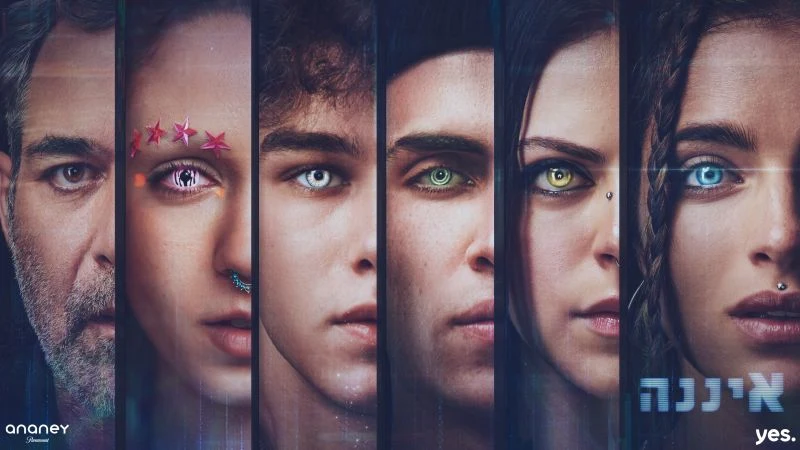
When a character wears a phone in their eyes, where does the interface live? That was one of the questions in the visual development of Wonder, a series about teenagers and an augmented-reality game inside contact lenses.
There are two audiences for that interface. The first is the character: it has to make sense as something they use. The second is the person watching the programme: they have to understand what the character is doing, without being able to use it themselves.
Those needs overlap, but they are not identical. Something convincing inside the fictional world can still be confusing on screen. Something very clear to the viewer can feel artificial to the character.
Design the relationship
The interesting work is finding the relationship between them. What does the character need to notice? What does the viewer need to know? Which detail carries both?
For me, visual worldbuilding begins there. The image is doing a job inside the story. Its beauty, clarity and strangeness all have to take that job into account.
GOT A CHALLENGE OF YOUR OWN?
Let’s find a different way in.
A focused 90-minute creative session, with a brief beforehand and a written recap afterward.
Think with me